Dental x-rays come up at almost every checkup, and most people say yes without knowing what they're for or how often they actually need them. Totally normal. Here's the short version.
There is no single schedule. The guidance dentists in the U.S. work from, written by the American Dental Association with the FDA, says the timing should come from your history and an exam. Somebody with no cavities in years needs them a lot less often than somebody who gets one every visit.
The radiation is low. It isn't zero, so the goal is to take the fewest images that answer the question.
what each kind of x-ray shows
MedlinePlus, the National Library of Medicine's health site, lists the common types. You'll hear these names on the treatment plan:
- Bitewings. You bite down on a small tab. They show the tops of your upper and lower back teeth together, and they're the main way dentists catch cavities forming between teeth.
- Periapical. One or two teeth, from the crown all the way down to the root.
- Occlusal. All your upper or lower teeth in one shot, with the film resting on the biting surface.
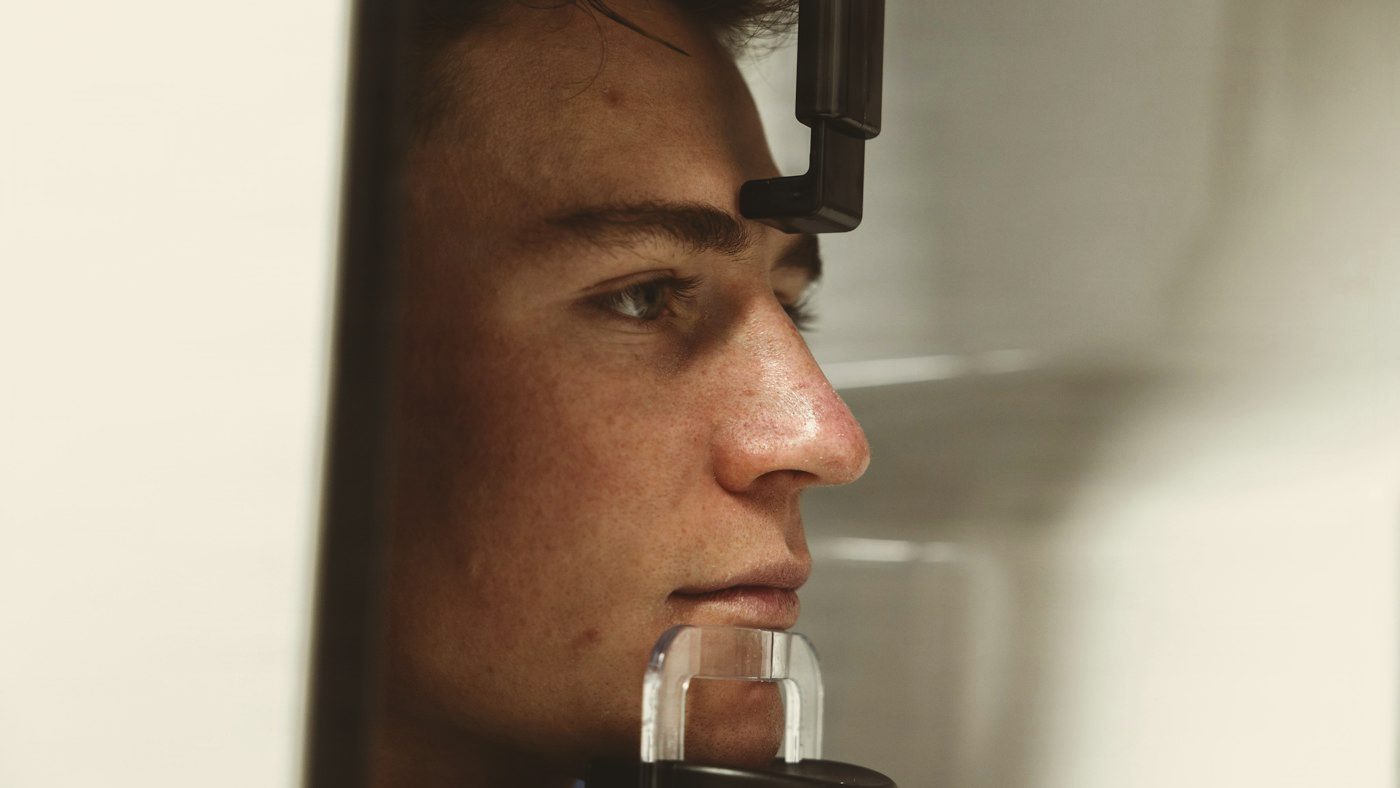
- Panoramic. A machine rotates around your head and captures the whole jaw at once. It's used for things like planning implants or checking on wisdom teeth. MedlinePlus notes it isn't the best tool for finding cavities.
- Cephalometric. A side view of the face that shows how the jaws line up. Common in orthodontic work.
- Cone beam CT (CBCT). A 3-D picture of the jaw, sometimes used before surgery such as placing several implants.
Most offices now take digital x-rays, which MedlinePlus says use less radiation than traditional film.
how often, according to the guidance
The ADA and FDA recommendations give ranges, not rules, and they say the dentist's judgment decides where you land in the range. For posterior bitewings at a routine recall visit:
- Adults with no cavities and no higher risk: every 24 to 36 months.
- Adults with cavities or a higher risk of them: every 6 to 18 months.
- Teens with no cavities and no higher risk: every 18 to 36 months.
- Kids with no cavities and no higher risk: every 12 to 24 months, and only if the dentist can't see between the teeth another way.
New patients get what the guidance calls an "individualized" exam, which depends on what the dentist finds. Gum disease, implants, past root canals and growth checks for kids all have their own reasons for imaging.
Two lines from that guidance are worth knowing. Dentists are told to look at your mouth and your history first, not to take x-rays as a blanket screening before the exam. And they're told to order x-rays only when they expect the result to change your care.
So if you're getting a full set every year with no cavities in sight, it's reasonable to ask why. There may be a good reason, and a good dentist will be happy to explain it.
what the radiation actually looks like
MedlinePlus describes the exposure from dental x-rays as very low, and adds that no one should get more radiation than necessary. The ADA and FDA guidance puts dental x-rays at about 2.5 percent of the dose people get from medical x-rays overall.
That same guidance asks dentists to keep exposure "as low as reasonably achievable." In practice that means:
- the fastest film or a digital sensor
- a beam narrowed to the size of the sensor
- a thyroid collar whenever possible, since the thyroid sits right in the path, especially in kids
- taking only the images they need
You might notice some offices skip the heavy lap apron now. The guidance says that when everything else is done right, abdominal shielding may not be necessary. The thyroid collar is the one it says to use whenever possible, so it's fine to ask for it.
if you're pregnant or might be
Tell the office every time. MedlinePlus says to let your dentist know if you might be pregnant, and that x-rays during pregnancy should only be taken when necessary. That doesn't mean skipping dental care. Our guide to dental care during pregnancy covers what usually still happens at those visits.
If you're dealing with pain, swelling or a possible infection, pregnant or not, call a dental practice. That's a reason to be seen, and the dentist will decide what imaging it needs.
what it feels like
The x-ray itself doesn't hurt. The awkward part is the sensor or tab in your mouth. MedlinePlus says biting on it makes some people gag, and that slow, deep breathing through your nose usually helps. Panoramic and cephalometric machines don't need anything in your mouth at all.
If gagging or sensory stuff is a big deal for you, say so before they start. A practice used to sensory sensitivities will slow down and talk you through it.
questions worth asking
- What are these x-rays looking for?
- When was my last set, and do you have them?
- Would the result change what you do next?
- Are these digital?
- Can I have a thyroid collar?
If you're switching practices, ask your old office to send your x-rays over first. The guidance tells dentists to review prior images before taking new ones, so recent ones may save you a repeat.
On cost, some insurance plans limit how often they'll pay for each type of x-ray. Plans vary a lot, so ask your carrier before you assume anything is covered. Our guide to reading a treatment estimate helps decode the line items.
picking the practice
You want a dentist who tells you why before they take x-rays and doesn't treat a full set as automatic. That's the same instinct behind a dentist who explains everything and one who doesn't push unnecessary work.
Dentalist predicts how a practice is likely to feel across 13 dimensions using verified signals: provider credentials, specialties, services, hours and Google rating patterns. It does not read patient review text. To meet a dentist who'll walk you through the why, match with a general dentist or start matching.
sources
- MedlinePlus Medical Encyclopedia: Dental x-rays (U.S. National Library of Medicine, reviewed 2/5/2026)
- Dental Radiographic Examinations: Recommendations for Patient Selection and Limiting Radiation Exposure (American Dental Association Council on Scientific Affairs and U.S. Food and Drug Administration, revised 2012)
related
Take the next step
Find your match for this
Take the quick personality quiz and let AI matching surface practices that fit your situation, predicted from verified signals like insurance, location, and what you want to fix.
Go deeper on this topic
Costs, treatment options, and specialists related to this guide, with AI matching built in.
U.S. Dental Access Report 2026
State-by-state data on where dental care is easy to reach, and where it isn't.
TreatmentGeneral Dentistry
Your everyday cleanings, checkups, and core dental care.
SpecialistsGeneral Dentists
General dentists handle preventive care, cleanings, fillings, and routine oral health for the whole family.
frequently asked questions
- How often do you need dental x-rays?
- It depends on your history. The ADA and FDA guidance gives adults with no recent cavities a range of every two to three years for bitewings, and a shorter range for people with cavities or a higher risk of them. Your dentist picks the timing after an exam.
- Are dental x-rays safe?
- MedlinePlus calls the radiation exposure from dental x-rays very low, and the ADA and FDA guidance says dental x-rays make up about 2.5 percent of the dose people get from medical x-rays. Both still say no one should get more than they need, which is why the number of images is kept to what's useful.
- Can I ask why my dentist wants x-rays?
- Yes. The national guidance tells dentists to order x-rays only when the answer would change your care, so "what are you looking for?" is a fair question and a good dentist will have a clear answer.
- Should I tell the dentist if I might be pregnant?
- Yes, every time. MedlinePlus says to tell your dentist if you might be pregnant, and that x-rays during pregnancy should be taken only when they're needed. The office can then plan around it with you.
- Do I need new x-rays if I'm switching dentists?
- Maybe not. The guidance tells dentists to review prior x-rays before taking new ones, so ask your old office to send yours to the new practice before your first visit.
Keep exploring
More guides to help you find the right practice fit.
Dental Implants Explained: How They Work, What They Cost, and Who They Are For
8 min read
ProceduresDental Bridges: What They Are, How They Work, and What They Cost
5 min read
PreventionDental Sealants: Who They Help and When to Ask
6 min read
ProceduresDental Abscess: Signs, Treatment, and Why It Cannot Wait
7 min read